
Editorial and Deep Dive – Lazy Losers Affecting Proper Pooper Scoopers at the Gardner Dog Park.
Most dog owners are conscientious and pick up after their pets. But the few who don’t have created a problem big enough to anger some people who come to the Gardner Dog Park in Gardner MA.
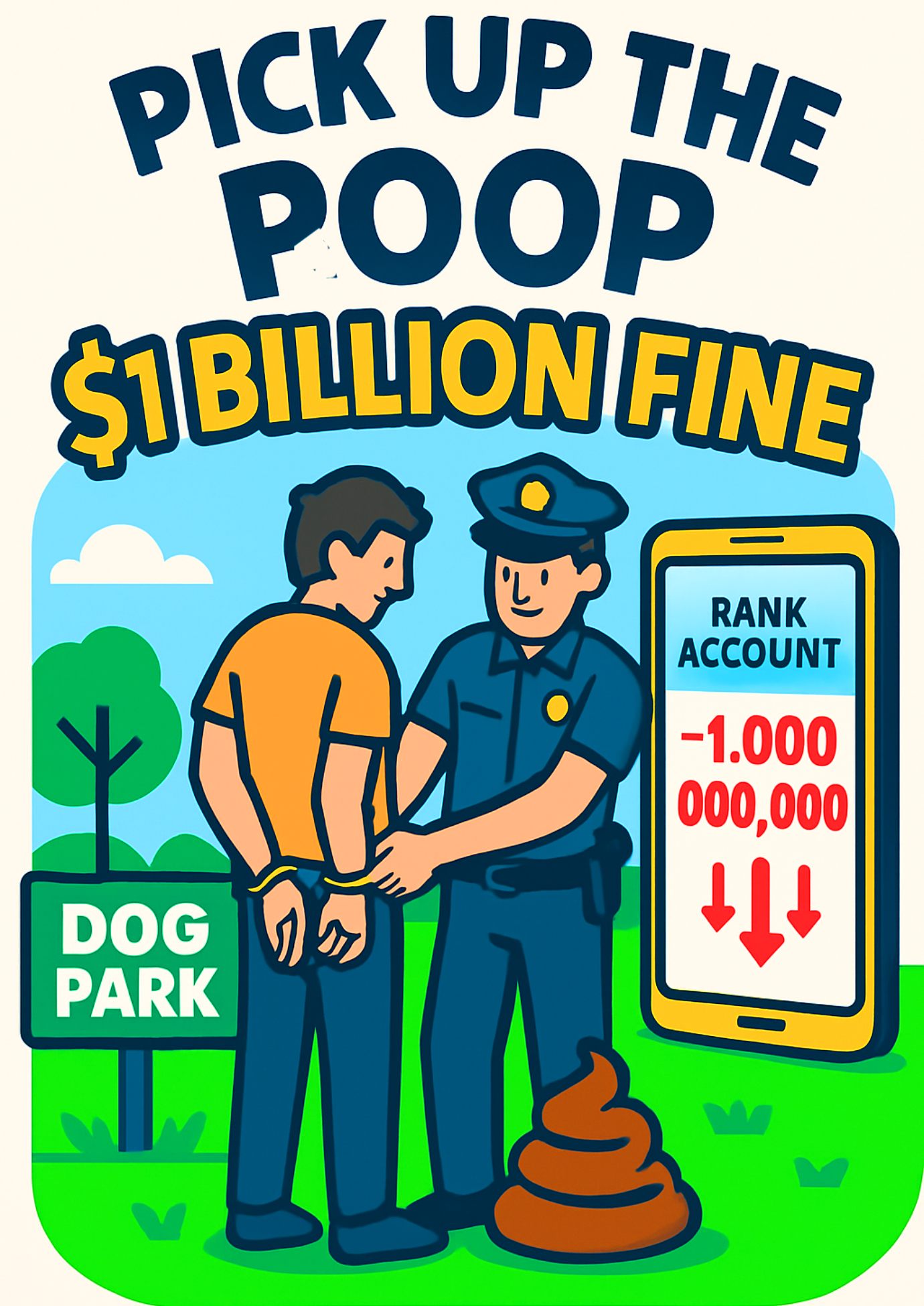
One lady posted: “I was at the park today and on the small dog side there was so many big dog poops! It was the worst that I’ve ever seen. This is why my dog hasn’t been there very often…” Another stated: “When at the dog park, this is why there are bags to pick up after your dog takes a poo. Those of us who are responsible understand this and pick up after our pups. Personally, I always have bags on mydogs lead so I don’t leave the house without them. At the dog park there is also a rake and shovel to assist with pick up after your dog.” I posted half in jest: “I don’t know if you have heard. But the fine for not picking up POOP at the Dog Park has been increased to 1 billion dollars.”
The problem of not picking up Dog Poop at the Gardner Massachusetts Dog Park was addressed scientifically in a post. Local citizen Claude Vautour informs us of the dangers. Claude posted: “This post is not meant to disrespect the 95 % of responsible owners who actually do pick up their dog’s excrement but to enlighten the other 5% of the health risks when it is not picked up.” Claude Vautour, one of the admins of the Gardner Dog Park page wrote about the dangers of Dog Poop at the Gardner Dog Park . “Dog poop is a significant health hazard because it carries bacteria (like E. coli, Salmonella), parasites (roundworms, hookworms, Giardia), and viruses that can transmit diseases to humans, especially children, the elderly, or immunocompromised individuals, causing issues from diarrhea and fever to blindness (Toxocariasis) and severe infections, and it contaminates water and soil, persisting for long periods.” The Chair Lady and the Chair Man analyzed Claude’s information in this “Deep Dive” discussion.
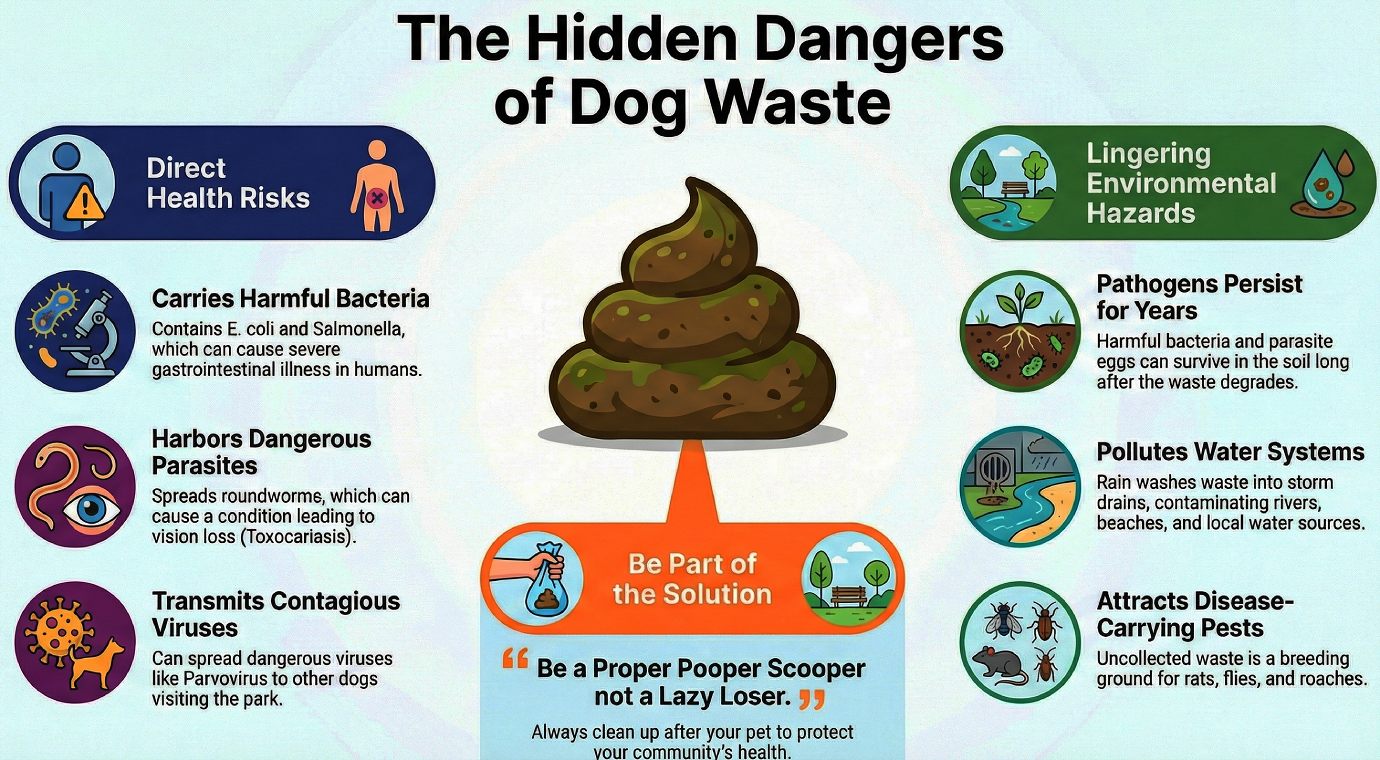
Our infographic should make the point of the health risks including bacterial, parasitic, and viral infections plus specific diseases such as toxocariasis, giardiasis, campylobasteriosis, and salmonellosis. Thank you to Claude Vautour for caring enough to research this issue.